Description
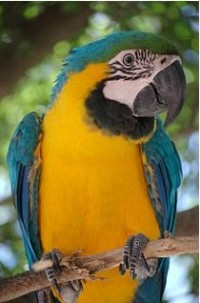
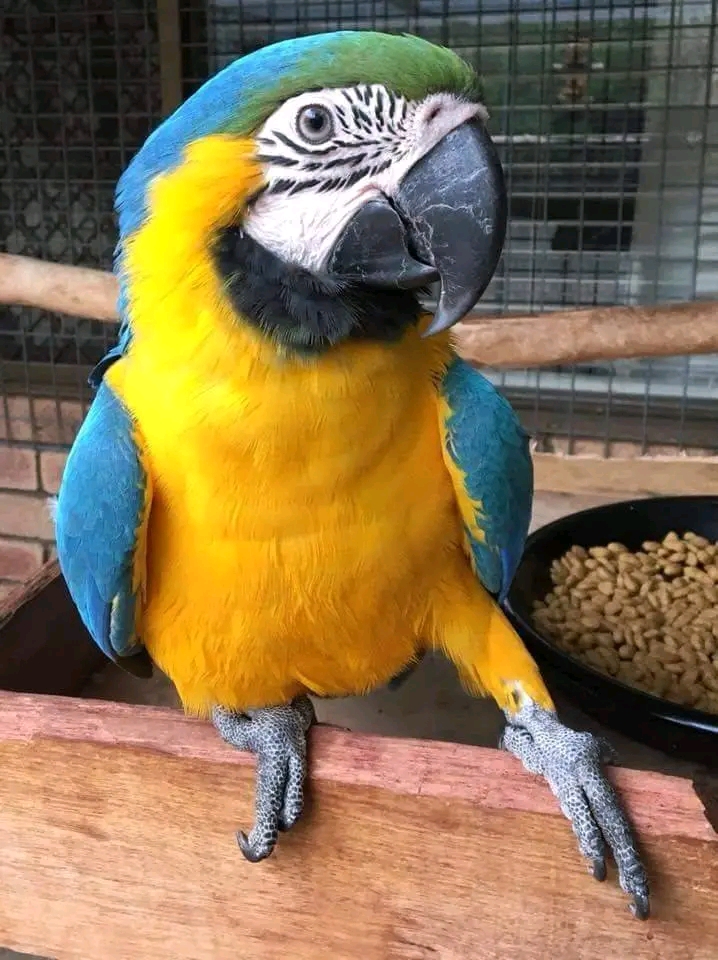
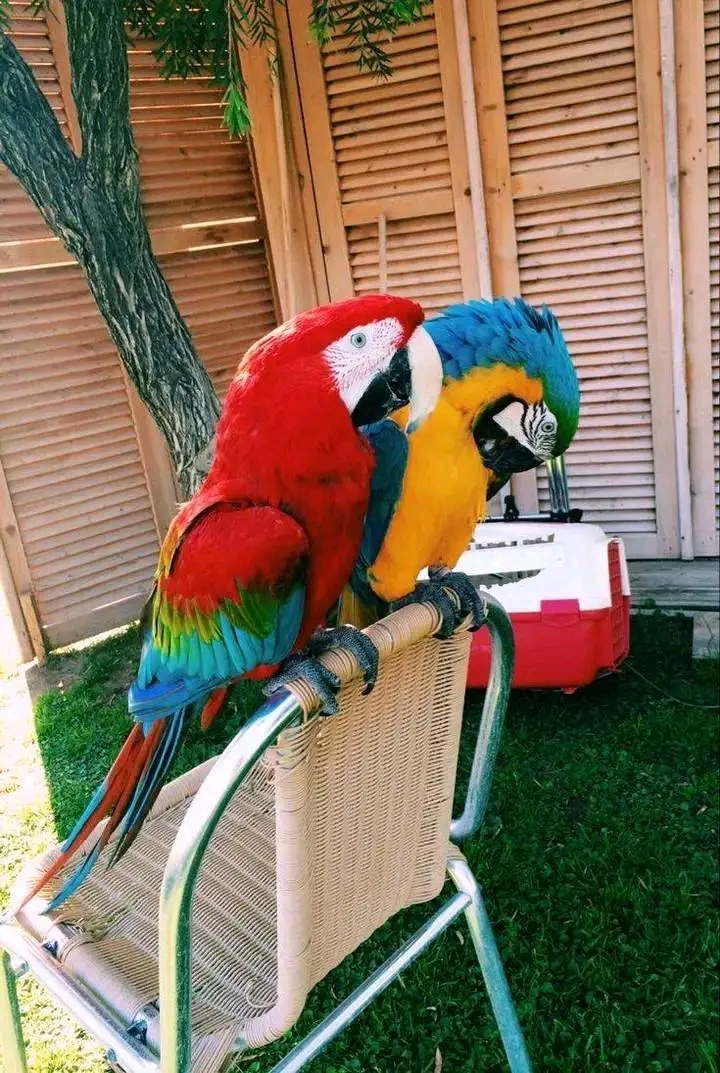
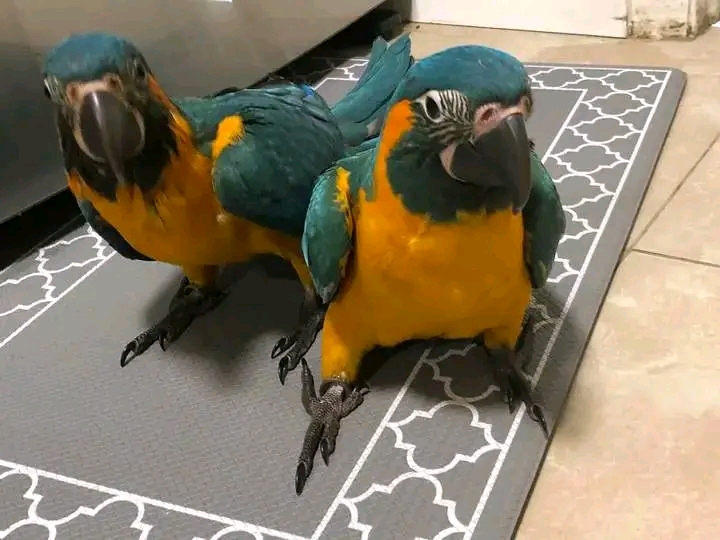
The Blue and Yellow Macaw (Ara ararauna) is a large and striking parrot native to the tropical forests and swampy woodlands of South America, ranging from Venezuela and Colombia down to Brazil and Paraguay. Renowned for its vivid appearance, it features brilliant blue upperparts (back and wings) and vibrant golden-yellow underparts, accented by a distinct green patch on its forehead.
Physical Attributes
Size: These birds are among the larger macaw species, reaching lengths of 81 to 91.5 cm (approximately 32 to 36 inches).
Wingspan: They possess an impressive wingspan that can reach up to 114 cm.
Lifespan: Known for their extreme longevity, they can live between 65 to 80 years in captivity.
Behavior and Ecology
Social Nature: They are highly social and intelligent creatures often found in large groups in the wild.
Habitat: Their natural environment includes a variety of tropical landscapes, from dense forests to open woodlands.
Taxonomy: They belong to the genus Ara, which comprises the larger macaw species within the true parrot family, Psittacidae.
Highlights
- The Blue and Yellow Macaw (Ara ararauna) is a magnificent parrot known for its intelligence, size, and unmistakable colors. Here are the primary highlights of this species:
- Physical Highlights
- Distinctive Plumage: They feature brilliant blue feathers on their backs and wings with vibrant golden-yellow underparts.
- Large Stature: These birds can reach lengths of up to 91.5 cm (36 inches).
- Impressive Wingspan: Their wingspan can extend to approximately 114 cm.
- Facial Features: They possess a white featherless facial patch and a small green patch on their forehead.
- Behavioral & Life Highlights
- High Intelligence: They are extremely smart and capable of learning complex tasks, making them popular but demanding pets.
- Extreme Longevity: With proper care, these macaws can live between 65 to 80 years.
- Social Complexity: In the wild, they are highly social and are typically found in large, vocal groups.
- Native Habitat: They originate from the tropical forests and wetlands of South America.
Care notes
Because Blue and Yellow Macaws are highly intelligent, long-lived, and social, they require a significant commitment to thrive in a home environment.
Social and Mental Stimulation
Attention Needs: These parrots are extremely social and require several hours of daily interaction with their owners to prevent boredom and behavioral issues.
Intelligence: Due to their high cognitive abilities, they need a variety of foraging toys, puzzles, and chewable objects to keep their minds engaged.
Training: Positive reinforcement training is essential to manage their strong personalities and to encourage good "household manners".
Living Environment
Space Requirements: Given their large size and wingspan (up to 114 cm), they require a very large cage or, ideally, a dedicated bird room or outdoor aviary.
Out-of-Cage Time: They must have ample time outside of their cage every day to stretch their wings and exercise.
Destructive Nature: They have very powerful beaks and a natural instinct to chew, meaning they need a constant supply of bird-safe wood and toys to prevent them from damaging furniture.
Diet and Health
Nutrition: A healthy diet consists of high-quality parrot pellets supplemented with a wide variety of fresh fruits, vegetables, and occasional nuts.
Longevity: Potential owners must plan for a bird that can live between 65 to 80 years, often requiring a plan for the bird's care beyond the owner's lifetime.
Veterinary Care: Regular check-ups with an avian-specialist veterinarian are necessary to monitor for common respiratory or nutritional health issues.